Biodiversity Net Gain: What Small New Build Sites Need To Know

In 2025, planning laws in England have changed for good. Biodiversity Net Gain (BNG) is no longer just a policy for developers building large estates. It now applies to smaller residential sites too—including one-off new builds in areas like Surrey, Sussex, and the surrounding countryside. For many self-builders and homeowners, this new rule brings confusion, questions, and a fear of costly delays.
 
At House of Construction, we specialise in new builds and know exactly how to guide clients through the BNG process. Whether you are building a home on a garden plot, replacing an existing structure, or developing a new house on your land, you need to understand what BNG means for your project in 2025.

What Is Biodiversity Net Gain and Why Has It Changed?

Biodiversity Net Gain is a legal requirement introduced by the Environment Act 2021. From April 2024, it became mandatory for most major applications. From April 2025, it applies to small sites too—including single dwellings. In simple terms, BNG means you must improve the biodiversity on your site by at least 10 percent after development. That means your new build must leave the land in better ecological condition than it was before. This could involve creating new habitats, enhancing green space, or even buying off-site credits if improvements cannot be made on the plot. Local councils will not validate or approve your planning application without a compliant BNG plan.

Does Biodiversity Net Gain Apply to My New Build?

If you are submitting a full or outline planning application for a new home from April 2025 onwards, BNG applies. The only exceptions are householder applications for extensions or renovations, or where the development falls within very specific exemptions like some brownfield infills or small self-build plots below a certain size.
 
But even on garden plots or paddock land, BNG is now expected. Most single dwelling new builds are included. This means you will need to provide an ecological baseline survey, a Biodiversity Metric calculation, and a formal plan showing how your site will achieve the required uplift.

How Is BNG Measured on a Small Site?

BNG uses a standardised calculation called the Biodiversity Metric. This assesses the pre-development value of your land by looking at its habitat types, size, quality, and condition. An ecologist will survey your plot and determine the current habitat units.
 
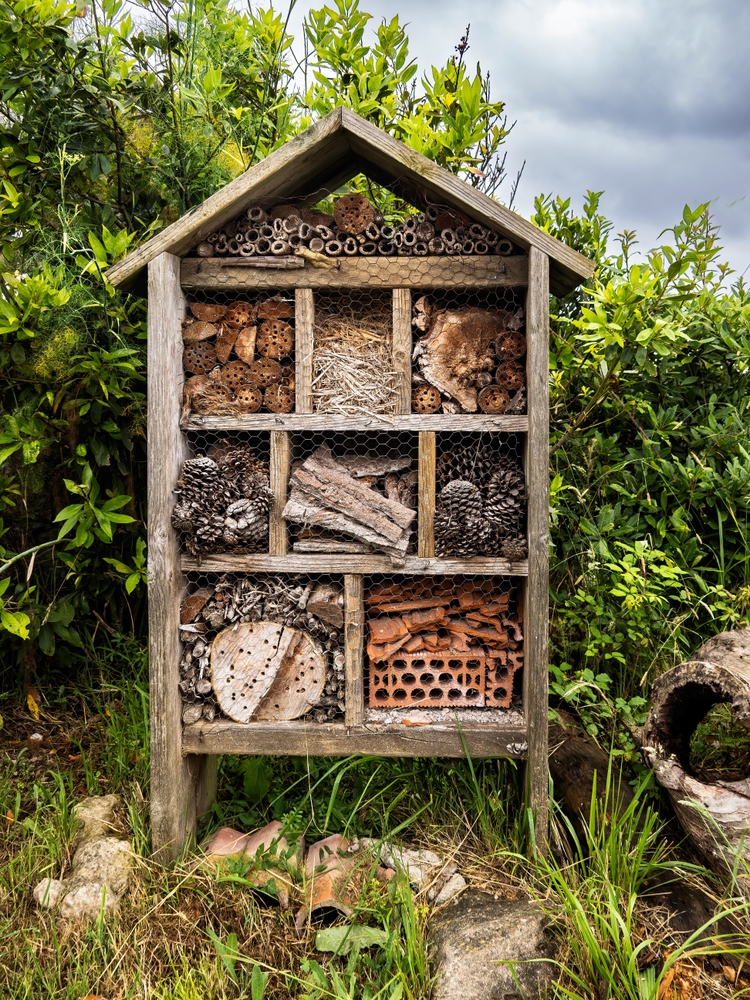
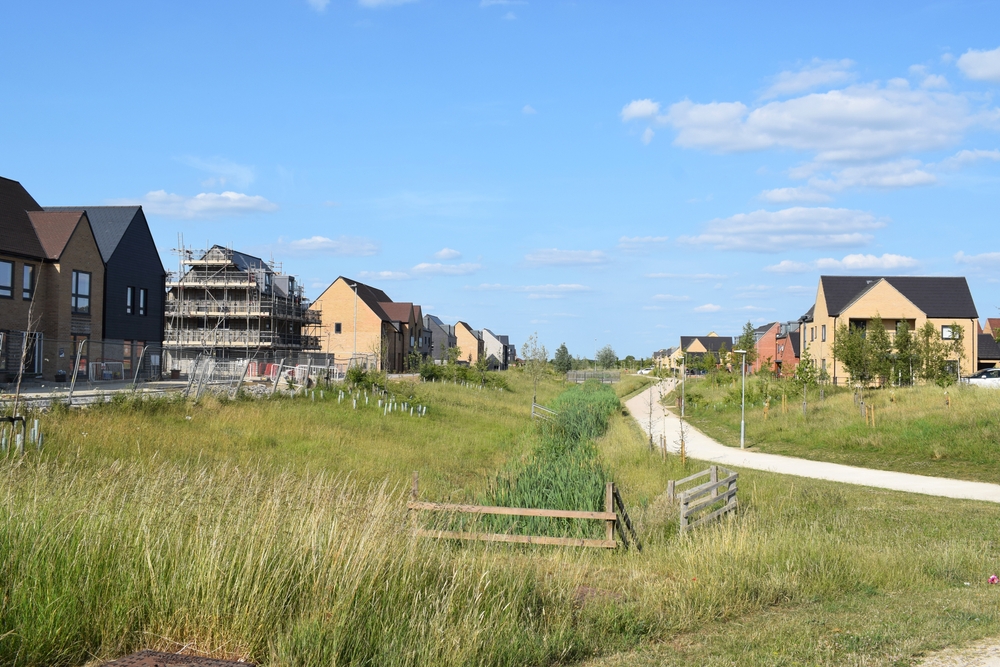
You must then show, using the same metric, how the development will increase the number of biodiversity units by at least 10 percent. You can do this through habitat creation, green roofs, native planting, ponds, or wildflower meadows—depending on the size and layout of your site.
 
If achieving the full 10 percent on-site is not possible, you may need to buy credits from a local habitat bank or arrange off-site enhancement works elsewhere. These options cost more, so planning for BNG from the start helps keep budgets on track.

What Is the Process and Who Provides the Reports?

BNG cannot be guessed or estimated. It requires professional input from an ecologist and must be submitted alongside your planning application.
If you fail to submit a valid plan or meet the required gain, the application will likely be refused or delayed. In some cases, councils will accept a financial contribution or credit purchase, but this should not be relied on from the outset.

How We Help Clients Achieve BNG on New Builds

At House of Construction, we take the stress out of the process by coordinating the right experts and designing with biodiversity in mind. We work closely with experienced ecologists, landscape designers, and planning consultants to make sure your project meets all BNG requirements without slowing down your timeline.
 
Our approach starts with a feasibility study that checks whether the site is likely to require BNG. If so, we bring in a licensed ecologist early and plan the survey before the application stage. We then work together to adjust planting, boundaries, green roofs, or wild areas to meet the metric without compromising your design vision.
 
Because we manage the entire new build process, we ensure BNG compliance is integrated from the start. That way, you avoid late-stage redesigns or hidden costs when submitting your application.

Designing New Homes That Support Nature and Planning

For many clients, BNG feels like a box-ticking exercise. But we believe it is an opportunity. Biodiverse landscapes do not just meet planning—they make homes more enjoyable, valuable, and sustainable. Thoughtful planting improves views, supports local wildlife, and boosts wellbeing for future occupants.
 
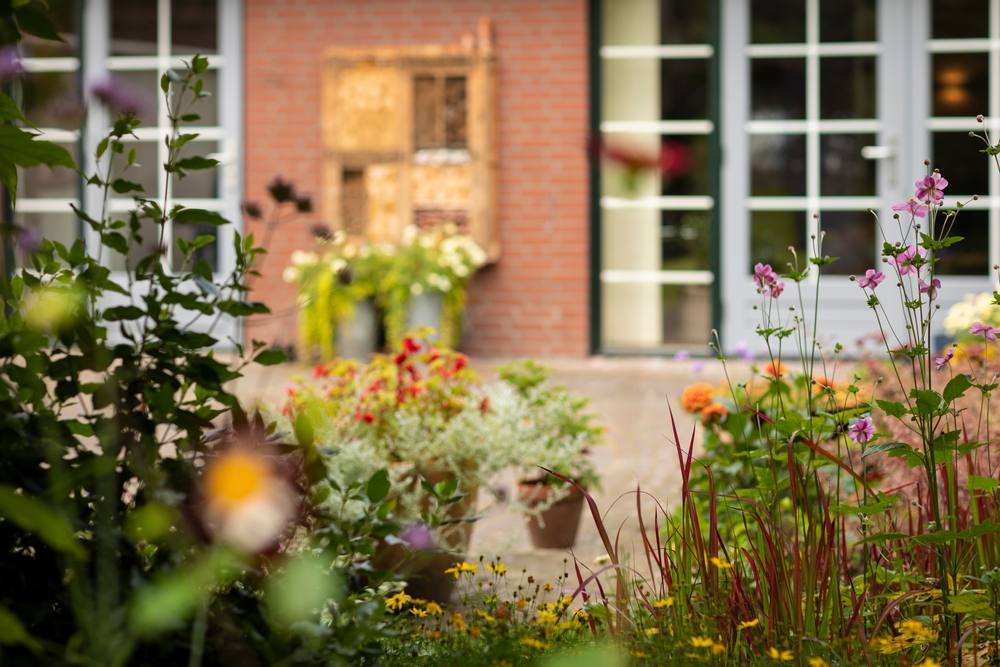
We design gardens and green spaces that feel natural, not forced. From wild borders and hedgerows to native trees and ponds, these elements blend beautifully into modern homes. They also give your project the best chance of approval and long-term success.
Build Your New Home With Confidence in 2025
Planning rules are getting stricter, but your build does not have to become more stressful. At House of Construction, we manage every part of the new build process, including planning, design, BNG compliance, and delivery. We understand the new laws, coordinate the right experts, and protect your timeline and budget.
 
If you are planning a new build on your land in Surrey, Sussex, or the surrounding areas, we are here to help. From feasibility to final handover, we build homes that meet the latest regulations and deliver lasting value.
Book your free consultation today and let’s take the first step towards a compliant, comfortable, and sustainable new home.
MENU